Author: exporter72

  • Create Your First Info Product: A Step-by-Step Guide

    Create Your First Info Product: A Step-by-Step Guide

    🚀 Why You Should Create Your First Info Product Today

    If you’ve ever thought about building an online income stream, now is the perfect time to create your first info product. Digital products are one of the most scalable and low-cost business models available today.

    Unlike physical products, info products require:

    • No inventory
    • No shipping
    • Minimal startup costs

    Instead, you package your knowledge into something valuable—like an eBook, course, or guide—and sell it online.


    💡 What Does It Mean to Create Your First Info Product?

    To create your first info product, you’re essentially turning what you know into something people are willing to pay for.

    Common types of info products:

    • eBooks
    • Online courses
    • Templates & guides
    • Video tutorials
    • Membership content

    According to platforms like Shopify and Gumroad, digital products are among the fastest-growing online business models.


    🧠 Step-by-Step: How to Create Your First Info Product

    1. 🎯 Choose a Profitable Topic

    Focus on problems people are actively searching solutions for.

    👉 Use tools like:


    2. ✍️ Create Valuable Content

    Don’t overcomplicate it. Your first product doesn’t need to be perfect—it just needs to help someone.

    Examples:

    • “Beginner’s Guide to Budgeting”
    • “How to Start a Side Hustle”
    • “Fitness Plan for Busy Professionals”

    3. 💻 Package Your Product

    Turn your content into a downloadable format like:

    • PDF (eBook)
    • Video course
    • Checklist bundle

    Platforms like https://www.canva.com can help you design professional-looking products easily.


    4. 💰 Price It for Profit

    When you create your first info product, pricing matters.

    Beginner pricing strategy:

    • Low-ticket ($7–$29) for quick sales
    • Mid-tier ($49–$99) for higher perceived value

    5. 📢 Launch and Promote

    You don’t need a big audience to start.

    Promote using:

    • Social media (Instagram, TikTok)
    • Blog content (SEO traffic)
    • Email marketing

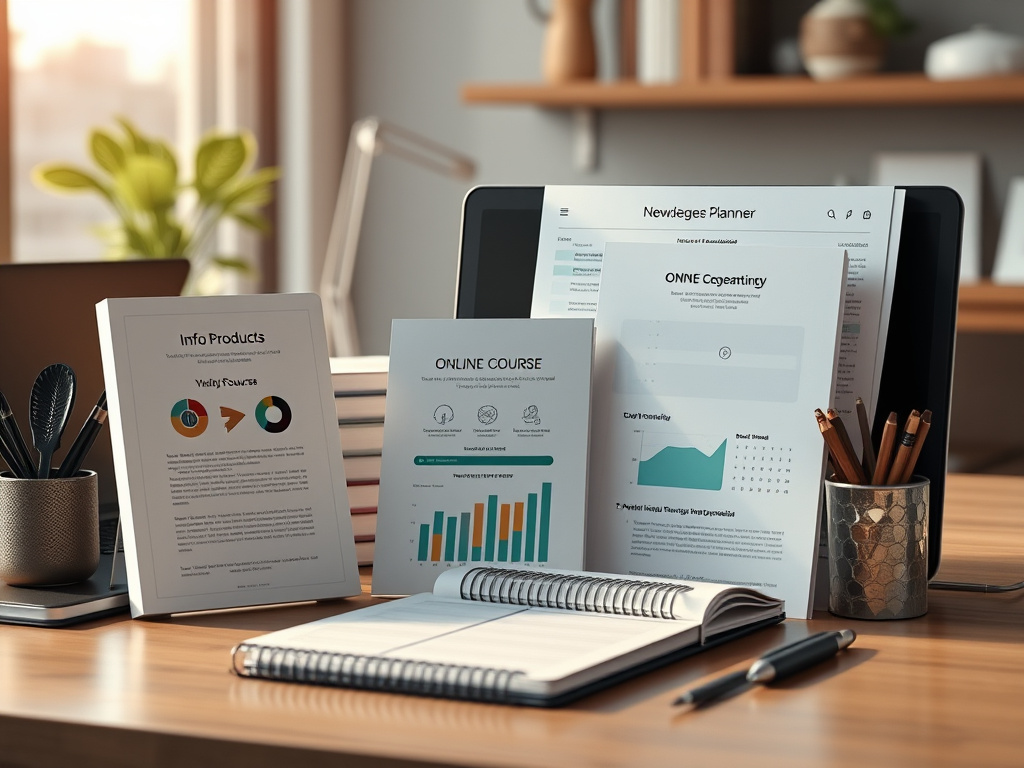
    🖼️ Example Info Product Ideas

    Alt text for images:

    • “Digital product ebook example layout”
    • “Online course dashboard interface”
    • “Printable planner info product sample”
    • “Digital marketing guide mockup”

    🔑 Benefits When You Create Your First Info Product

    💸 High Profit Margins

    Once created, your product can be sold repeatedly with no extra cost.

    🌍 Global Reach

    Sell to anyone, anywhere in the world.

    ⏰ Passive Income Potential

    Earn money while you sleep.


    ⚠️ Common Mistakes to Avoid

    When you create your first info product, avoid these pitfalls:

    • Overthinking and never launching
    • Choosing a topic with no demand
    • Pricing too low (undervaluing your work)
    • Not marketing your product

    📈 SEO Tip: Drive Traffic to Your Info Product

    To consistently generate sales, create blog content optimized for search engines.

    Helpful resources:

    These guides will help you rank your content and attract organic traffic.


    🎯 Final Thoughts: Take Action Today

    The biggest mistake you can make is waiting.

    You don’t need to be an expert.
    You just need to start.

    When you create your first info product, you’re not just making money—you’re building a long-term digital asset.


    👉 Ready to turn your knowledge into income?

    Start today and create your first info product—your future self will thank you.

    👉 Don’t wait. Take the first step now and launch your digital product today!

  • Best Projector for Apartment Living Picks

    Best Projector for Apartment Living Picks

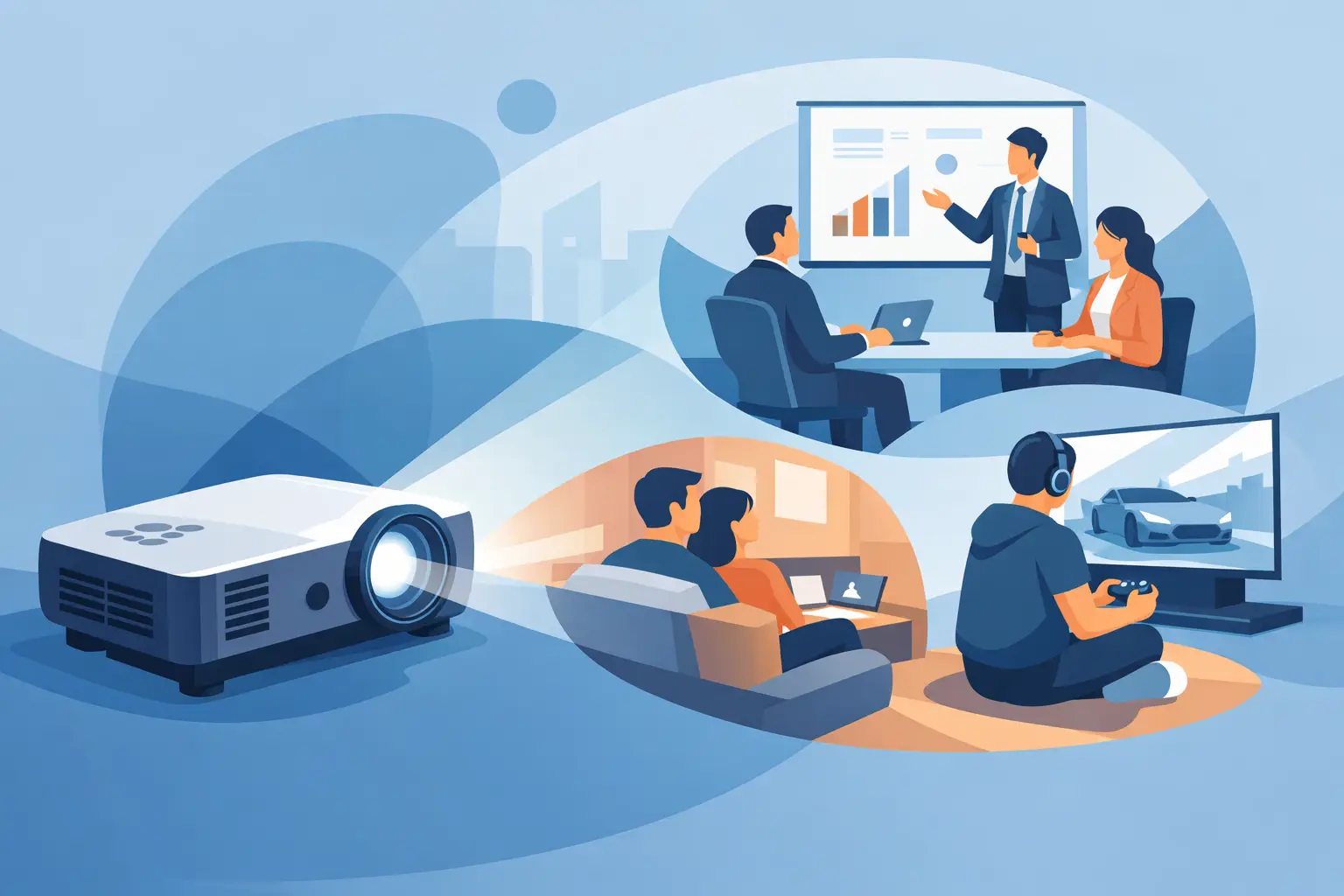
    The wrong projector feels extra wrong in an apartment. If the fan is loud, the image needs a massive wall, or the speakers sound thin at low volume, you will notice it fast. The best projector for apartment living is not just small and affordable. It needs to work well in tight spaces, stay reasonably quiet, and deliver a good picture without turning your living room into a full home theater project.

    What actually matters in the best projector for apartment living

    Apartment buyers usually make the same mistake first – they shop by marketing specs instead of room reality. In a house with a dedicated media room, you can chase max brightness, huge screen size, and larger hardware. In an apartment, the better move is to prioritize throw distance, noise level, ease of setup, and how good the picture looks in mixed lighting.

    That means a compact projector often beats a bulkier model with better paper specs. If your couch is eight feet from the wall, a projector that can throw a clean 80- to 100-inch image from that distance matters more than one promising a giant 200-inch display you will never use.

    Low fan noise also matters more than many buyers expect. In a smaller room, even a decent projector can sound distracting during quiet scenes. If you live with roommates or share walls, a unit with acceptable built-in speakers at moderate volume can also save you from adding a louder soundbar.

    The apartment projector checklist

    Short or flexible throw distance

    In apartments, placement options are limited. You may be projecting from a coffee table, bookshelf, or bedroom dresser rather than a ceiling mount. A model with short throw capability or flexible image sizing gives you more freedom and less frustration.

    If a projector needs 12 feet to look good, it is probably the wrong fit. Many apartment-friendly models do best between 6 and 9 feet, which is much more realistic for renters.

    Realistic brightness

    You do not need stadium-level brightness for apartment use, but you do need enough light output for casual viewing before full blackout conditions. For nighttime movies, many compact LED projectors are fine. For daytime streaming with blinds closed but not pitch dark, stepping up to a brighter model is worth it.

    This is where trade-offs show up. Brighter projectors usually cost more, run hotter, and can produce more fan noise. If you mostly watch at night, chasing maximum brightness may be wasted money.

    Quiet operation

    This is one of the most overlooked features for apartment living. A projector can have a sharp image and still feel annoying if the fan hum is constant. In smaller rooms, that noise sits closer to your ears. If you watch dialogue-heavy shows, quiet operation matters almost as much as picture quality.

    Good streaming support

    Most apartment users want easy entertainment, not a complicated setup. Built-in streaming apps, a simple smart TV interface, or reliable HDMI support for a streaming stick all make a difference. The more compact your living space, the less you want extra boxes, cables, and adapters cluttering the room.

    Decent sound at lower volume

    You may not want booming audio in an apartment, especially at night. Some projectors have surprisingly usable built-in speakers for TV, movies, and YouTube. They will not replace a full sound system, but they can be enough for renters who want convenience without bothering neighbors.

    Best projector for apartment living by type

    There is no single perfect model for every renter. The right choice depends on how you use it.

    Best for most apartment renters

    A compact 1080p smart projector is usually the safest pick. This category gives you the best balance of picture quality, portability, and ease of use. Models like the XGIMI MoGo 2 Pro, Anker Nebula Mars 3 Air, and BenQ GV30 fit this lane well.

    The upside is obvious. They are small, easy to move, and simple to set up in a bedroom or living room. They also tend to have better software and cleaner industrial design than ultra-cheap no-name options. The downside is brightness. These are best for evening use or rooms where you can control light.

    Best for brighter living rooms

    If your apartment gets a lot of ambient light, look at a brighter home projector like the BenQ TH575 or Epson EpiqVision Flex CO-W01. These models can give you a stronger image during the day, but they are less elegant in smaller spaces.

    That is the trade-off. You get more brightness and often better motion handling, but you may give up portability, battery power, quieter operation, or built-in smart features. For renters who want a projector to replace the TV in the main room, that compromise can make sense.

    Best for bedrooms and casual use

    For bedroom ceiling viewing, occasional movie nights, or very limited space, mini projectors like the Samsung Freestyle or Nebula Capsule series make sense. They are easy to reposition and tend to feel less intrusive in smaller apartments.

    You just need to go in with the right expectations. These are convenience-first products. They are great for flexibility, but they usually do not deliver the strongest brightness or deepest contrast.

    Pros and cons of using a projector in an apartment

    Projectors make a lot of sense for renters, but only when expectations match the space.

    The biggest pro is obvious – screen size. Even in a small apartment, a projector can give you a much bigger image than a TV without dominating the room when it is turned off. That matters if you do not want a large black screen taking over your living area.

    Another advantage is flexibility. You can move a projector between rooms, pack it away when not in use, or avoid drilling into walls. For renters, that is a real benefit.

    The downside is consistency. A TV looks good almost anytime. A projector depends more on lighting, wall quality, and placement. If your wall color is off-white, textured, or crowded with decor, the image may suffer unless you add a screen.

    Sound is another mixed area. A projector can be apartment-friendly at moderate volume, but if you need external speakers to enjoy it, the setup becomes less simple. That does not kill the value, but it changes the buying decision.

    Who should buy a projector instead of a TV

    A projector is a strong choice if you want a bigger image without giving up floor space, if you mostly watch at night, and if you value portability. It is also ideal for renters who do not want to mount a television or commit to one layout.

    A TV is still the better call if you watch a lot of daytime content, want the most reliable plug-and-play performance, or care more about picture consistency than cinematic feel. For apartment living, the best answer is often not projector versus TV in general. It is whether your room and habits support the trade-offs.

    How to avoid buying the wrong apartment projector

    Start with your room, not the product page. Measure the distance from where the projector will sit to the wall. Check how much light you can block. Think about whether you want a permanent setup or something portable.

    Then be honest about usage. If this is for late-night Netflix, a compact smart projector is probably enough. If this is your main screen for sports and daytime streaming, go brighter and accept a larger unit.

    Also avoid the cheapest unknown brands unless your expectations are very low. Budget projectors often look good in listings and disappointing in real use. Software can be clunky, brightness claims can be inflated, and fan noise can be worse than expected. Spending a bit more usually buys better reliability and less regret.

    Final verdict on the best projector for apartment living

    For most renters, the sweet spot is a compact 1080p projector with good auto setup, quiet performance, and enough brightness for nighttime viewing. That type of model keeps the experience simple and apartment-friendly without pushing you into oversized hardware or premium pricing.

    If you want the shortest path to a good decision, buy for your room size first, your viewing habits second, and spec sheets third. That one move will save you more money than chasing the flashiest option. If you want more direct product breakdowns in this style, Pros Vs Cons is built for exactly that kind of shortcut.

    👉 Check availability and current deals today to see if it’s the right fit for your space

  • Is a Mini Projector Worth It? Pros and Cons

    Is a Mini Projector Worth It? Pros and Cons

    A mini projector sounds like a smart buy right up until you compare the promise with the reality. Small size, easy setup, lower price, and the idea of turning any wall into a screen are all appealing. But if you’re asking is a mini projector worth it, the real answer depends on where you plan to use it, what you expect from picture quality, and how much compromise you’re willing to accept.

    For some buyers, a mini projector is a cheap, flexible entertainment upgrade. For others, it ends up as one of those gadgets that feels exciting for a week and then sits in a drawer. The difference comes down to use case.

    Is a mini projector worth it for most buyers?

    For most casual buyers, yes – a mini projector can be worth it if your goal is portable entertainment, occasional movie nights, or a simple big-screen option in a small space. If you expect TV-level brightness, strong built-in audio, and a perfect image in daylight, probably not.

    That is the core trade-off. Mini projectors are about convenience and screen size, not premium performance. They give you a larger image for less money than a giant TV, but they also ask you to accept lower brightness, less detail, and more dependence on room conditions.

    If you go in with realistic expectations, they can feel like a great value. If you buy one hoping it will replace a living room TV, disappointment is much more likely.

    What a mini projector does well

    The biggest advantage is obvious: portability. A mini projector is easy to move from room to room, take to a friend’s place, use in a dorm, or set up outside for a backyard movie night. That flexibility is a real selling point if you do not want one fixed entertainment setup.

    Price is another reason people buy them. Many mini projectors cost far less than large TVs, especially if your main goal is getting a huge image without paying for a 75-inch or 85-inch display. You are not just buying a device. You are buying a more flexible viewing setup.

    They also make sense in apartments and smaller homes. A projector takes up very little permanent space. When you are done, you can put it away instead of dedicating a wall or TV stand to a large screen. For renters, students, and anyone who hates clutter, that matters.

    There is also a fun factor that regular TVs do not always match. A projector can make a movie night feel more intentional. Even a basic mini projector can create a more cinema-like feel than staring at a laptop or mid-size TV.

    Where mini projectors usually disappoint

    Brightness is the issue that catches most buyers off guard. Mini projectors tend to struggle in bright rooms. If you want to watch sports in the afternoon with sunlight coming through the windows, the image may look washed out. They perform much better in dim or dark spaces.

    Sound is another weak spot. Built-in speakers on compact projectors are often thin and underpowered. They are fine for casual use in a quiet room, but not great if you want fuller sound or you are watching with a group. Many people end up pairing them with a Bluetooth speaker or external audio setup.

    Resolution can also be misleading. Some low-cost models advertise support for 1080p or even 4K content, but that does not always mean native 1080p or native 4K output. In plain English, the image may accept higher-resolution input without actually delivering that level of sharpness. For casual streaming, that may be acceptable. For gaming, text-heavy content, or sharper movie detail, it matters more.

    Then there is setup friction. A TV is usually easier. With a projector, you may need the right distance from the wall, a reasonably flat surface, decent focus, and light control. That is not hard, but it is less plug-and-play than many buyers expect.

    Pros and cons of buying a mini projector

    If you want the short version, the pros are portability, affordability, space-saving design, and a much larger image than most budget TVs can offer. The cons are lower brightness, weaker sound, inconsistent image quality, and performance that depends heavily on lighting and setup.

    That balance is why mini projectors are not universal recommendations. They are niche-friendly products. Great for the right buyer. Easy to regret for the wrong one.

    Who should buy one

    A mini projector is usually a smart buy for apartment dwellers, dorm residents, casual streamers, and families who want occasional movie nights without committing to a large TV. It also makes sense for travelers, campers, and people who value portability more than top-tier image quality.

    It can also be a good fit for budget-conscious buyers who want a bigger viewing experience without stretching to a premium television. If your mindset is “good enough and easy to move,” a mini projector is often worth it.

    Casual gamers can be happy with one too, but only if they are not sensitive to lag, motion blur, or lower brightness. For party games and light console use, some mini projectors are fine. For competitive gaming, they are usually not the best choice.

    Who should skip it

    If you want a main TV replacement for everyday daytime use, skip the cheap mini projector route. You will likely be happier with a standard TV. The same applies if you care a lot about deep contrast, high brightness, sharp detail, or premium audio.

    People who hate fiddling with settings should think twice as well. Even decent mini projectors often need more adjustment than a TV. If convenience means pressing one button and getting a perfect image every time, a projector may feel like extra work.

    You should also be careful if you mostly watch in bright rooms. That is where mini projectors lose a lot of their appeal. Their best performance usually shows up at night or in controlled lighting.

    Is a mini projector worth it compared to a TV?

    If the question is pure performance, TV wins. A television will usually give you better brightness, better contrast, better built-in sound, and a more reliable image with less setup. It is the safer buy for daily viewing.

    If the question is flexibility and screen size per dollar, the mini projector becomes more attractive. A projector can give you a much bigger image for less money and far less physical bulk. That makes it appealing for buyers who value experience over perfection.

    So the better comparison is not which product is better overall. It is which product fits your habits. TV is better for consistency. Mini projector is better for portability and occasional big-screen fun.

    What to check before you buy

    Do not buy based on size alone. Look at brightness, native resolution, connectivity, speaker quality, and whether the projector supports the apps or devices you actually use. A tiny projector that looks great on paper can still be frustrating if it struggles with focus, fan noise, or wireless connections.

    You should also think about where you will use it most. Bedroom ceiling viewing, backyard movies, dorm walls, and travel use all favor a mini projector. A bright family room for daily cable watching does not.

    This is where a simple pros-versus-cons mindset helps. If portability and occasional entertainment are your top priorities, the trade-offs make sense. If performance and convenience matter more, spend your money elsewhere.

    Final verdict

    So, is a mini projector worth it? Yes – if you want an affordable, portable, space-saving way to enjoy movies, shows, or casual gaming on a bigger screen and you understand the limits. No – if you expect it to perform like a quality TV in bright rooms or serve as your no-compromise main display.

    The smartest way to buy is to judge it by the job, not the hype. A mini projector can be a great value when it matches your lifestyle. If it does, you’ll use it often. If it doesn’t, even a cheap one will feel expensive.

    👉 Check availability and current deals today to see if it’s the right fit for your space

  • Memory Foam Pillow Pros and Cons

    Memory Foam Pillow Pros and Cons

    A Memory Foam Pillow can fix one problem fast: waking up with a stiff neck. But it is not automatically the best pick for every sleeper. Some people love the contouring support. Others hate the heat, firmness, or slow sink-in feel.

    Is a Memory Foam Pillow worth it?

    For most side and back sleepers, yes. Memory foam is designed to hold shape better than basic polyfill pillows, which means your head and neck get more consistent support through the night. That usually translates to better alignment and less morning soreness.

    The catch is comfort feel. A memory foam pillow does not have that light, fluffy hotel-pillow softness. It feels denser, more structured, and sometimes firmer than expected. If you sleep on your stomach or like to constantly scrunch and fold your pillow, that can be a deal-breaker.

    Memory Foam Pillow pros and cons

    The biggest advantage is support. Memory foam molds around your head and neck, which helps reduce pressure points and keeps the pillow from flattening too quickly. It also tends to last longer than cheaper fiber-filled options, so the value can be better over time.

    The downside is that some models sleep warm. Even with cooling gel or ventilated designs, memory foam can still trap more heat than breathable alternatives like down alternative or latex. There is also the smell issue. Some new pillows have an off-gassing odor for the first few days, which can bother sensitive sleepers.

    In simple terms, the main pros are support, shape retention, and durability. The main cons are heat, firmness, and less flexibility.

    Who should buy one?

    A memory foam pillow is a smart buy if you are a side sleeper, back sleeper, or someone dealing with recurring neck discomfort from a pillow that collapses overnight. It also makes sense if you want a low-maintenance pillow that keeps its shape without constant fluffing.

    It is a weaker fit for stomach sleepers, hot sleepers, or anyone who prefers a soft, squishy pillow feel. In those cases, memory foam can feel too restrictive.

    Final verdict

    If your priority is neck support and long-term value, a memory foam pillow is usually worth buying. Just do not treat all models as equal. Look closely at loft, firmness, and cooling features before you buy. The right one can improve sleep fast, while the wrong one can feel too hard from night one.

    Curious if this is right for you? 👉 Click here to explore all the details and see real results.

  • Who Is This Projector Best For?

    Who Is This Projector Best For?

    A projector can look like a smart buy right up until you picture where you will actually use it. That is the real question behind who is this projector best for. Not the spec sheet, not the marketing photos, but the everyday setup – your room, your budget, your expectations, and how much hassle you are willing to tolerate.

    If you are comparing compact or affordable projectors, this is where most buying mistakes happen. People buy for the idea of movie nights, gaming, or portable use, then realize the brightness is not strong enough for daytime viewing, the speakers are weak, or the setup takes more effort than expected. A projector can still be a great value, but only for the right kind of buyer.

    Who is this projector best for in real use?

    In most cases, a budget or compact projector is best for someone who wants a flexible, low-pressure entertainment setup rather than a full replacement for a premium TV. That means casual users usually get the most value.

    If you live in an apartment, dorm, bedroom, or smaller home and want a big-screen feel without paying for a huge television, this type of projector makes sense. It is also a strong fit for buyers who care more about convenience and affordability than perfect image quality.

    That matters because the projector category is wide. Some models are built for portability. Others are made for basic home theater use. Some are good enough for casual gaming, while others struggle with lag or weak contrast. So when someone asks who is this projector best for, the honest answer is usually tied to lifestyle more than raw specs.

    The buyers who will get the most value

    Casual movie and streaming fans

    If your main goal is watching Netflix, YouTube, sports, or weekend movies on a larger image, a projector like this is often a good buy. You are getting atmosphere and screen size at a lower cost than many large TVs.

    This is especially true if you mostly watch at night or in a dim room. That trade-off matters. Many affordable projectors look much better after sunset than they do in bright daylight. If you expect a vivid midday picture with sunlight pouring in, you may end up disappointed.

    For movie nights, sleepovers, backyard viewing, or relaxed binge-watching, this kind of projector can feel like a smart upgrade. It is not about perfect black levels or high-end cinematic detail. It is about getting a bigger, more fun viewing experience without overspending.

    Apartment dwellers and small-space buyers

    This is one of the strongest use cases. If you do not want a bulky TV dominating a room, a compact projector is a practical alternative. You can set it up when needed, move it out of the way after, and avoid committing to a giant screen on the wall.

    That flexibility is a big selling point for renters. You may not want to mount a TV, drill into walls, or redesign your space around one device. A projector gives you a larger image with less commitment.

    It is also a good fit if storage matters. Smaller projectors are easier to tuck away in a closet, on a shelf, or in a drawer between uses. For people trying to keep a room clean and uncluttered, that convenience is a real advantage.

    Dorm students and first-time buyers

    If you are shopping on a tighter budget and want something easy to use, this category is often a beginner-friendly option. A student or first-time projector buyer usually does not need advanced calibration, premium audio, or flagship brightness. They need something simple that works well enough for movies, shows, and occasional presentations.

    That is where affordable projectors have a clear lane. They can deliver good enough performance at a lower entry cost, which makes them attractive for dorm rooms, shared spaces, and temporary setups.

    The catch is expectations. If you understand that you are buying convenience and size rather than top-tier performance, you are far more likely to feel satisfied with the purchase.

    Families who want occasional big-screen fun

    Not every household needs a dedicated home theater. Some just want an easy option for family movie night, cartoons in the playroom, or holiday gatherings where everyone can watch together.

    For that kind of use, a projector can be a better value than upgrading to a massive TV. It creates a more event-style experience, and in many cases, that matters more than technical perfection.

    This buyer usually wins if they use the projector a few times a week or for specific occasions. If the family wants an all-day, every-day main screen in a bright living room, a TV may still be the better call.

    Who should think twice before buying?

    Buyers expecting premium picture quality

    If you care a lot about deep contrast, very sharp detail, strong brightness, and top-level color performance, this probably is not your best fit. That does not make the projector bad. It just means you are shopping for a different tier.

    Affordable and portable projectors usually make compromises somewhere. It may be brightness, built-in sound, fan noise, app support, or image accuracy. If those things matter a lot to you, stepping up in price may save you frustration.

    Daytime viewers in bright rooms

    This is one of the biggest deal-breakers. A projector can struggle fast in a room with lots of natural light. Even decent models often look washed out unless the room can be darkened.

    So if you are planning to watch daytime sports in a sunlit living room with open blinds, be careful. A large TV often performs better for that specific use. Projectors tend to reward controlled lighting, not bright open spaces.

    Serious gamers

    Some casual gamers will be fine, especially for slower-paced games, party games, or console gaming where screen size adds fun. But if you play competitive shooters, fast sports titles, or anything where input lag matters, you should not assume every projector is gaming-friendly.

    This is where specs alone do not always tell the full story. A projector may advertise features that sound good but still feel slow compared with a TV or gaming monitor. If gaming is your main use, you need to look carefully at latency, refresh support, and overall responsiveness.

    People who want zero setup effort

    A projector sounds simple until you remember placement, focus, keystone correction, speaker quality, and app compatibility. Some models are easy enough, but they still ask more from you than a TV does.

    If you want something you can unbox, press power, and use with almost no adjustments, a projector may feel less convenient than expected. The more portable the unit, the more likely it is that you will be repositioning and tweaking it between sessions.

    Best use cases where a projector makes sense

    Bedroom entertainment

    For many buyers, this is the sweet spot. A bedroom projector gives you a larger image without needing a giant television on the dresser or wall. It is ideal for winding down with shows, movies, or YouTube before bed.

    If the room gets dark easily and you do not mind using external speakers or headphones when needed, this setup can be a very strong value.

    Backyard movie nights

    This is another standout use case. A projector brings more fun than a standard TV when you want a casual outdoor setup. It is especially appealing for families, couples, and anyone who hosts occasionally.

    You do need realistic expectations here too. Outdoor viewing works best after sunset, with a stable setup and decent audio support. But when it works, it feels like a better experience than the price suggests.

    Travel or portable use

    If you want something easy to move between rooms or take to a friend’s house, a compact projector has obvious appeal. This is one of the biggest reasons people choose one over a TV.

    For portable buyers, the question is less about absolute performance and more about convenience. If you value flexibility, a smaller projector can be the right tool even if it is not the strongest performer on paper.

    The simple verdict

    So, who is this projector best for? The best fit is someone who wants affordable big-screen entertainment, uses it mostly in darker environments, and values flexibility more than premium performance. Apartment renters, dorm students, casual streamers, and families wanting occasional movie-night fun are usually the safest matches.

    It is a weaker fit for bright-room viewers, demanding gamers, and buyers expecting it to perform like a high-end TV. That does not mean you should skip it. It means you should buy it for the right reasons.

    The smartest purchase is not the one with the longest feature list. It is the one that fits how you actually live, watch, and spend. If this projector matches your space and expectations, it can be a very good buy. If not, passing on it is just as smart.

    👉 Check availability and current deals today to see if it’s the right fit for your space
  • Key Benefits of Magcubic Auto Focus HY310

    Key Benefits of Magcubic Auto Focus HY310

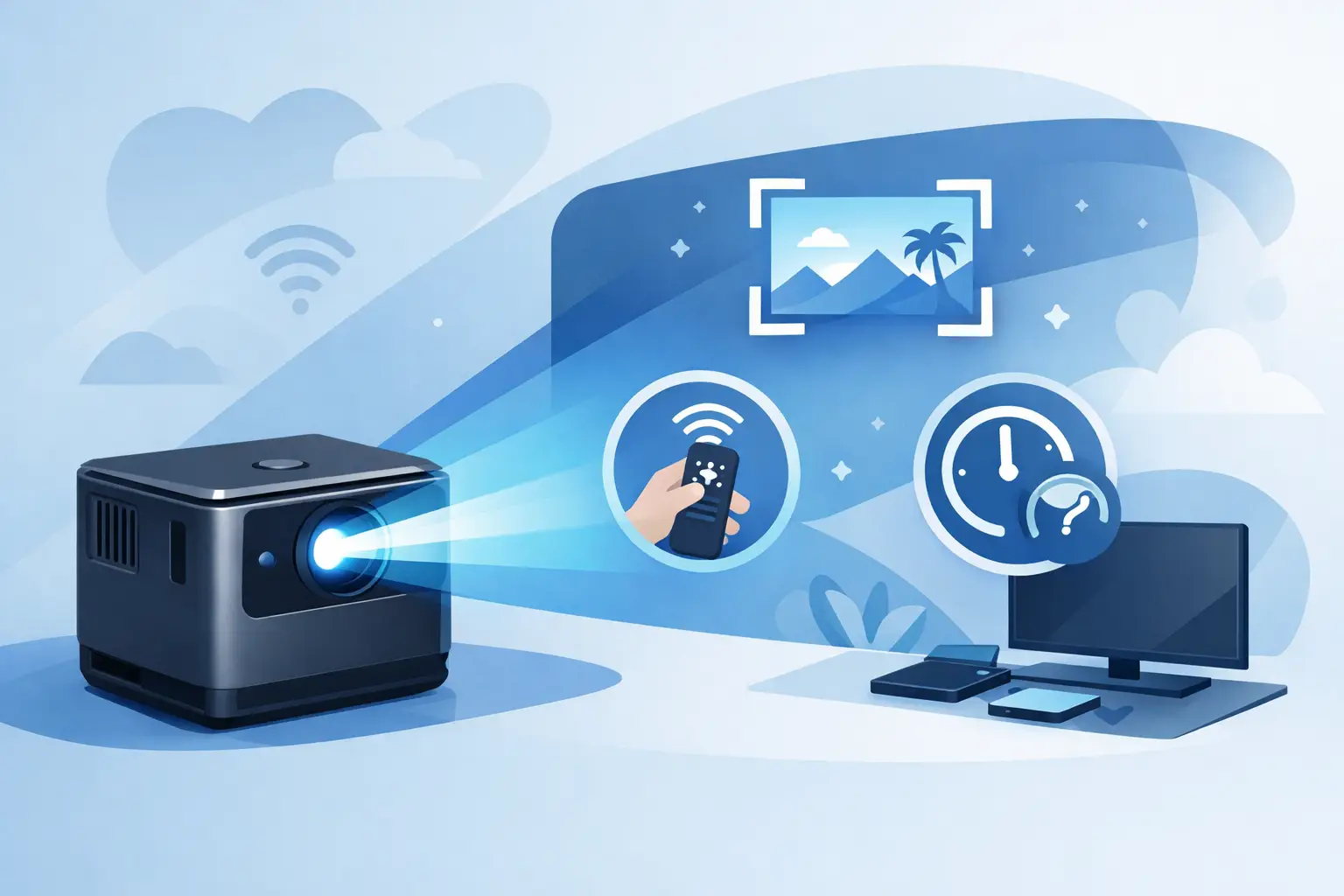
    A budget projector usually asks you to compromise somewhere – image setup, portability, speaker quality, or general ease of use. That is why the key benefits of Magcubic Auto Focus HY310 stand out. It is built for buyers who want a simple, low-hassle projector for casual home use without paying premium projector prices.

    If you are comparing affordable projectors for a bedroom, dorm, apartment, or occasional movie night, this model makes sense because it focuses on convenience first. It is not trying to beat high-end home theater gear. It is trying to save you time, reduce setup frustration, and give you a decent big-screen experience at a price point that feels easier to justify.

    Key benefits of Magcubic Auto Focus HY310 at a glance

    The biggest selling point here is obvious from the name – auto focus. On cheaper projectors, manual focus can get annoying fast, especially if you move the unit from room to room. The HY310 is appealing because it cuts out one of the most common budget-projector annoyances and makes the whole experience feel more beginner-friendly.

    That beginner-friendly angle matters. Most people shopping in this range are not building a dedicated media room. They want something they can place on a table, shelf, or tripod, get a quick image, and start watching. In that context, the HY310 has real advantages.

    Auto focus makes setup faster

    This is the feature that gives the projector its strongest practical value. Auto focus helps the image sharpen itself without forcing you to stand up, adjust a focus ring, step back, and repeat the process several times.

    For casual users, that saves effort every single time the projector is moved. If you are setting it up in a bedroom one night and a living room the next, the convenience adds up. It also makes the projector more approachable for anyone who has never owned one before.

    There is a trade-off, though. Auto focus is a major quality-of-life feature, but it does not guarantee a perfect image in every room and every angle. You still get the best result when the projector is placed reasonably well. Even so, compared with fully manual alternatives, it is a clear win.

    It is easier to use in small spaces

    One of the practical benefits of the Magcubic Auto Focus HY310 is that it fits the way many people actually live. A lot of buyers are in apartments, dorm rooms, or shared spaces where a large TV is inconvenient or just too expensive for the amount of use it gets.

    A compact projector gives you flexibility. You can use it for movies at night, put it away when you are done, and avoid dedicating a permanent wall or entertainment center to a screen. That makes the HY310 a strong option for renters and anyone who wants big-screen viewing without a bulky setup.

    Small-space value is not just about physical size. It is also about lower commitment. You can test a projector lifestyle without spending the kind of money that makes a bad purchase feel painful.

    Why the Magcubic Auto Focus HY310 feels beginner-friendly

    A lot of low-cost tech loses buyers during setup. The product might be affordable, but if the menus are clunky and the adjustments are constant, the savings stop feeling worth it. The HY310 has appeal because it leans into simplicity.

    Less tinkering, more watching

    For a beginner, that matters more than advanced specs. Many shoppers do not need a projector with enthusiast-grade calibration options. They need one that works quickly enough for streaming shows, casual gaming, YouTube, or family movie nights.

    That is where the HY310 has a practical edge. Features like auto focus reduce the amount of fiddling before use. If your main goal is convenience, this benefit matters more than niche image controls you may never touch.

    Portable enough for flexible use

    Another strong benefit is portability. This projector suits users who do not want one fixed entertainment setup. You can move it around the house, take it to a friend’s place, or use it in different rooms depending on the occasion.

    That flexibility expands the value of the purchase. Instead of being a single-purpose device, it becomes a casual entertainment tool you can use when you want a bigger picture than a laptop or TV can offer. For budget-conscious buyers, multi-use value always matters.

    Portability does come with the usual projector caution. The more often a device is moved, the more often you depend on features like auto focus and digital correction to keep things easy. That is exactly why the HY310’s design approach makes sense in this category.

    The real-world benefits beyond the specs

    Specs help sell projectors, but real-world use is what decides whether the purchase feels smart. The HY310’s strongest benefits are less about sounding impressive on paper and more about reducing friction.

    Better convenience for casual movie nights

    This is a projector for people who want a quick entertainment upgrade, not a technical hobby. If you want to throw on a show in the bedroom, project a kids movie onto a wall, or create a more fun setup for weekend viewing, the HY310 is built for that kind of easy use.

    That convenience is especially valuable if you have ever dealt with cheaper projectors that require too much positioning and too many image tweaks. A product that gets you to a watchable image faster has real value, even if it is not the brightest or most premium option available.

    More affordable path to a large screen

    The cost-to-screen-size equation is one of the best reasons to consider any projector in this class. If your budget does not comfortably stretch to a large TV, a projector like the HY310 can make more sense.

    You are not getting the same experience as a premium television, and that should be clear from the start. Bright-room performance, built-in audio depth, and overall image precision can still favor a good TV. But if your priority is getting a bigger image for less money, the HY310 checks that box well.

    Useful for mixed entertainment needs

    The HY310 also works for buyers who want one device for multiple low-pressure uses. Think streaming, casual gaming, workout videos, simple presentations, or projecting content for kids. It is easier to justify a purchase when the product can cover several everyday scenarios instead of one specific use case.

    That said, expectations matter. If you are a serious gamer focused on response times, or a movie enthusiast chasing top-tier black levels and color accuracy, this is probably not your final stop. The HY310 is strongest when judged as an affordable convenience projector.

    Pros and cons that actually matter

    The pros are straightforward. The HY310 offers easier setup than many budget rivals, gives you a more flexible entertainment option for smaller living spaces, and provides an affordable route to a large viewing experience. It is especially attractive for beginners because it removes some of the most annoying parts of projector ownership.

    The cons are also worth keeping in view. Like many budget projectors, performance will depend on room lighting and setup conditions. You may still need to manage expectations on sound quality, brightness, and image refinement. Auto focus helps with convenience, but it does not magically turn an entry-level projector into a premium home theater machine.

    That balance is what smart buyers should focus on. If convenience and price are your main filters, the strengths will likely matter more than the limitations. If image perfection is your main filter, you may want to spend more.

    Who should buy it

    The HY310 is a good fit for apartment dwellers, students, casual streamers, families who want an inexpensive movie-night projector, and buyers getting their first projector. It is also a sensible pick for people who care more about easy use than spec-sheet bragging rights.

    It is less ideal for buyers who need strong daytime viewing, premium audio, or enthusiast-level performance. In those cases, a more expensive projector or even a conventional TV may be the better choice.

    For the average value-focused shopper, though, the appeal is simple. The Magcubic Auto Focus HY310 reduces setup friction, keeps the entry price approachable, and makes large-screen viewing more accessible in everyday spaces. That is exactly the kind of product that earns attention on a site like Pros Vs Cons because it solves a common buying problem without overcomplicating the answer.

    If your goal is to spend less time adjusting settings and more time actually watching, this projector makes a strong case for itself.

    If you’re ready to upgrade your home entertainment setup with a compact, easy-to-use projector,

    the Magcubic HY310 is worth serious consideration.


    👉 Check availability and current deals today to see if it’s the right fit for your space.

  • Dropshipping Success Guide: Benefits, Pros & Cons for Beginner E-Commerce Entrepreneurs

    Dropshipping Success Guide: Benefits, Pros & Cons for Beginner E-Commerce Entrepreneurs

    Starting an online business is exciting—but for beginners, it can also be confusing, overwhelming, and expensive if done the wrong way. With endless YouTube videos, blog posts, and “gurus” offering conflicting advice, many new entrepreneurs struggle to know where to begin.

    That’s why a Dropshipping Success Guide is often one of the smartest first investments for anyone entering the world of e-commerce. Below, we’ll explore the benefits, pros, and cons so you can decide if it’s the right move for your online business journey.


    What Is a Dropshipping Success Guide?

    A dropshipping success eBook is a structured, beginner-friendly guide that walks you through building a dropshipping business step by step—covering product research, store setup, marketing, suppliers, and scaling strategies.

    Instead of piecing together random advice, you get a clear roadmap from start to first sale and beyond.


    Key Benefits for Beginners

    1. Clear Step-by-Step Structure

    One of the biggest benefits is clarity. A quality Guide provides:

    • A logical path from idea → store → traffic → sales
    • Clear explanations without technical overload
    • Actionable steps instead of vague motivation

    This eliminates guesswork and helps beginners move forward with confidence.


    2. Saves Time and Money

    Beginners often lose money by:

    • Testing the wrong products
    • Choosing poor suppliers
    • Running ads without a plan

    A dropshipping success guide helps you avoid costly mistakes by learning proven methods upfront.


    3. Beginner-Friendly and Budget Conscious

    Most eBooks focus on low-cost strategies such as:

    • No inventory or warehousing
    • Minimal startup tools
    • Lean testing before scaling

    This makes dropshipping accessible even if you’re starting with a limited budget.


    4. Simplifies Product & Niche Research

    Product selection is the #1 reason dropshipping businesses fail. A good eBook teaches you how to:

    • Identify winning product characteristics
    • Avoid oversaturated niches
    • Understand buyer psychology
    • Spot trends early

    This knowledge alone can dramatically increase your chances of success.


    5. Marketing Explained Without Overwhelm

    Instead of complex jargon, most beginner eBooks break marketing down into:

    • Simple organic traffic strategies
    • Paid ads fundamentals
    • Content ideas that convert
    • How to turn visitors into buyers

    This helps beginners take action without fear.


    Pros of Using a Dropshipping Success Guide

    Affordable learning option compared to full courses or coaching
    Structured roadmap instead of scattered information
    Self-paced learning with no deadlines
    Beginner-focused language and examples
    Reusable reference guide as your business grows

    For many beginners, it’s the easiest way to get started without overwhelm.


    Cons to Consider

    No live coaching or feedback
    You won’t get personalized answers unless the eBook includes community access.

    Requires self-discipline
    An eBook only works if you actually implement the steps.

    Quality varies by author
    Not all eBooks are equal—some are outdated or too generic.

    No guaranteed results
    Success still depends on execution, consistency, and effort.


    Is a Dropshipping Success Guide Worth It?

    For beginners who:

    • Want a low-risk entry into e-commerce
    • Prefer learning at their own pace
    • Need structure and clarity
    • Want to avoid common beginner mistakes

    👉 Yes, it’s absolutely worth it—as long as you choose a well-written, up-to-date guide and commit to taking action.


    Final Thoughts

    A dropshipping success guide isn’t a “get rich quick” solution—but it is a powerful starting point. It gives you the knowledge, structure, and confidence needed to build a real online business without feeling lost.

    If you’re serious about starting dropshipping the right way, an eBook can be the foundation that turns curiosity into execution—and execution into results. 🚀 Grab your copy today! Click Here!

  • The Benefits of AliDropship for Your eCommerce Business

    The Benefits of AliDropship for Your eCommerce Business

    tarting an online store can feel overwhelming — from product sourcing to managing orders and finding reliable suppliers. That’s where AliDropship comes in. It’s one of the most popular WordPress plugins designed to help you launch and automate your dropshipping business with ease.

    Let’s dive into how AliDropship can transform your eCommerce journey and what you should know before getting started.


    💡 What Is AliDropship?

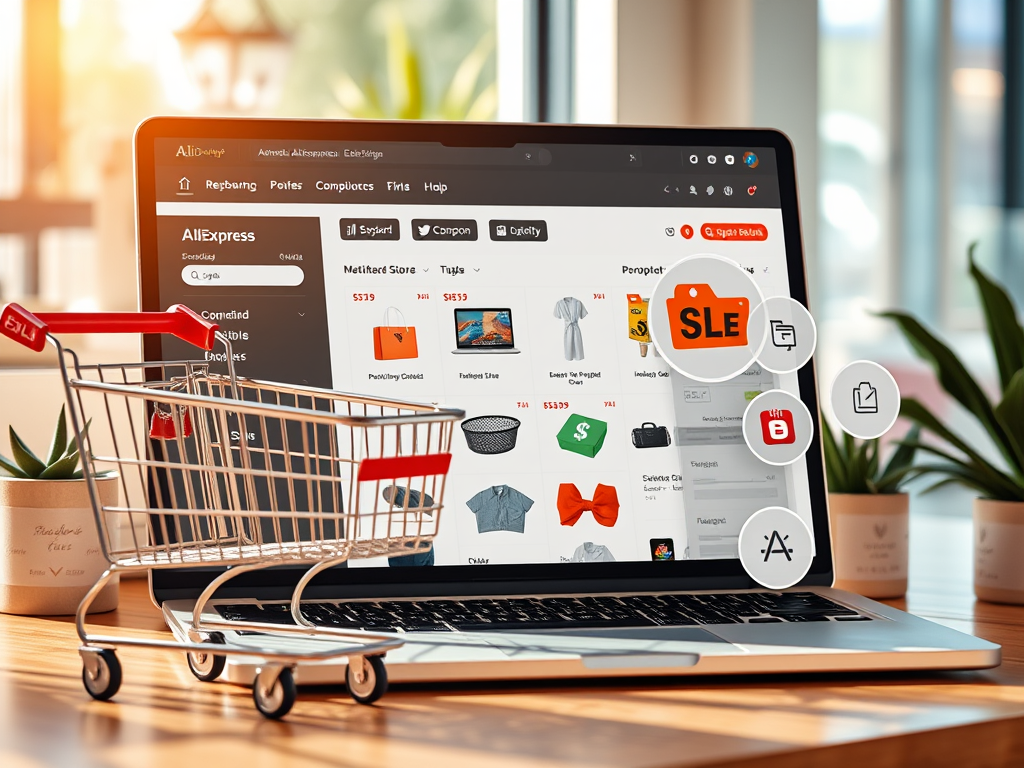
    AliDropship is a WordPress plugin that lets you turn a regular website into a fully functional dropshipping store connected directly to AliExpress. With just a few clicks, you can import products, set pricing rules, manage orders, and even automate fulfillment — all from one dashboard.

    Whether you’re a beginner looking for a ready-to-go store or an experienced seller building a niche brand, AliDropship gives you the tools to grow fast without heavy upfront costs.


    🚀 Key Benefits of AliDropship

    1. One-Time Payment — No Monthly Fees

    Unlike many other eCommerce platforms, AliDropship charges a one-time fee, giving you lifetime ownership of the plugin. This means no recurring subscription costs — a big win for small businesses and solo entrepreneurs.

    2. Full Store Ownership

    When you build with AliDropship, you own your store completely. It’s hosted on your own domain, giving you full control over branding, pricing, and customization — unlike hosted platforms where your store can be restricted or removed.

    3. Automated Product Import & Order Fulfillment

    You can import products directly from AliExpress in one click, complete with images, descriptions, and pricing. The plugin also automates order fulfillment, saving time and reducing human error.

    4. Ready-Made Stores

    For entrepreneurs who want to start fast, AliDropship offers custom and premium ready-made stores — professionally designed and optimized for conversions. You can literally start selling within days.

    5. Built-In Marketing Tools

    AliDropship includes built-in tools like discount coupons, email lists, abandoned cart recovery, and product reviews — helping you drive traffic and boost sales right from your dashboard.

    6. No Product Inventory or Shipping Hassle

    Since you’re dropshipping, you never handle inventory. AliExpress suppliers take care of packaging and shipping, allowing you to focus on marketing and customer relationships.


    ⚖️ Pros and Cons of Using AliDropship

    Pros

    • 💰 One-time payment (no recurring fees)
    • 🧩 Seamless integration with WordPress and WooCommerce
    • 🛒 Easy product import from AliExpress
    • 🚚 Automated order fulfillment and tracking
    • 🎨 Full control over store customization
    • 📈 Built-in marketing tools for growth
    • 🏪 Option to buy ready-made stores

    Cons

    • 🕓 Initial setup can be tricky for beginners unfamiliar with WordPress
    • 🌍 Longer shipping times from AliExpress suppliers (if not using local warehouses)
    • 💬 Limited customer support compared to full eCommerce platforms like Shopify
    • 🔧 Requires WordPress hosting and basic technical maintenance

    🌟 Final Thoughts

    AliDropship is a powerful, affordable, and flexible solution for anyone looking to start or scale a dropshipping business. It gives you full ownership, automation, and long-term savings — all while keeping you in control of your brand.

    If you’re ready to launch your online store without paying monthly fees, AliDropship is a smart investment that pays for itself over time. Click Here for more information.


  • The Benefits of Sellvia for Beginners in Dropshipping

    The Benefits of Sellvia for Beginners in Dropshipping

    Starting a dropshipping business can feel overwhelming. Between choosing suppliers, managing orders, and figuring out marketing, it’s easy to get stuck. That’s where Sellvia steps in – a powerful eCommerce ecosystem designed to simplify dropshipping and help beginners launch successfully. Here are some key benefits of using Sellvia if you’re just getting started:


    Why Choose Sellvia for Dropshipping?

    1. Ready-to-Use Products and Catalog

    With Sellvia, you don’t need to worry about searching for suppliers or testing unreliable products. It provides a curated catalog of best-selling items across different niches. This means you can add proven, in-demand products to your store instantly without the guesswork.

    2. Fast U.S. Shipping

    One of the biggest challenges in dropshipping is slow delivery times, especially from overseas suppliers. Sellvia solves this with a U.S.-based fulfillment center, ensuring 1-3 day shipping across the United States. Faster shipping leads to happier customers, fewer complaints, and repeat buyers.

    3. Done-for-You Store Setup

    For beginners who don’t have technical skills, Sellvia offers a ready-made store setup service. This includes professional design, product listings, and integrated payment systems. Instead of spending weeks setting up, you can start selling in days.

    4. Optimized Marketing Materials

    Creating engaging product descriptions, photos, and ads can be time-consuming. Sellvia provides pre-made marketing content that you can use right away to promote your products. This saves beginners time while giving them high-quality, conversion-focused materials.

    5. Lower Risk, Higher Confidence

    Since you don’t need to stock inventory or invest heavily upfront, Sellvia reduces the risks often associated with starting a business. Beginners can test products, learn marketing, and grow their brand without huge financial pressure.

    6. 24/7 Support and Guidance

    Sellvia isn’t just a platform – it’s a support system. They provide resources, tutorials, and customer service to guide new dropshippers every step of the way. Having access to help when you need it can be the difference between struggling and thriving.


    Pros and Cons of Using Sellvia

    Pros:

    • Curated catalog of best-selling products
    • U.S.-based fulfillment with 1-3 day shipping
    • Ready-made stores for quick setup
    • Pre-made marketing materials to save time
    • Low startup risk with no inventory required
    • 24/7 customer support and resources

    Cons:

    • Primarily focused on the U.S. market (limited for global sellers)
    • Monthly subscription fees may be a barrier for some beginners
    • Less flexibility compared to sourcing products independently

    Final Thoughts on Sellvia for Beginners

    If you’re looking to start a dropshipping business but feel intimidated by the setup process, Sellvia offers an all-in-one solution. From fast shipping to ready-made stores and ongoing support, it gives beginners the tools they need to build a profitable online business quickly and confidently. to find more about this dropshipping service click here